Embarking on the journey to establish a supplements and OTC gummies factory in the UK?
Setting up a supplements and OTC gummies factory in the UK involves several key steps including regulatory compliance, choosing the right gummy manufacturing equipment, sourcing materials, and ensuring a smooth production process. Understanding these elements is crucial for a successful launch.
Dive deeper into this guide as we explore each essential step and provide valuable insights to help you navigate the complexities of setting up your manufacturing facility.
Regulatory compliance is essential for factory setup in the UK.True
Establishing a supplements factory requires adherence to UK regulations to ensure safety and legality.
Choosing the right equipment is optional for manufacturing success.False
Selecting appropriate machinery is crucial for efficient production and quality control in the factory.
What are the regulatory requirements for gummy manufacturing in the UK?
Navigating the regulatory landscape for gummy manufacturing in the UK is crucial for ensuring product safety and compliance. Understanding these requirements can pave the way for successful operations.
To manufacture gummies in the UK, register with the Food Standards Agency, adhere to health claims regulations, follow Good Manufacturing Practices (GMP), ensure labeling compliance, and conduct regular audits.
Regulatory Compliance and Registration
To start manufacturing gummies in the UK, it’s essential to register your factory with the Food Standards Agency (FSA). This registration must occur 28 days before production begins. Failing to comply can lead to operational delays or fines.
Additionally, if your gummies include any new ingredients, such as CBD, they may require novel foods approval. This regulatory framework ensures that all food products, including supplements, meet safety and health standards.
Health Claims and Labeling Regulations
When making health claims about your gummies, you must adhere to UK regulations. Claims must be supported by scientific evidence and comply with the Nutrition and Health Claims Regulation. Misleading or unsubstantiated claims can result in significant penalties.
Ensure that your product labels include:
- Allergen information
- Accurate nutritional values
- Child-resistant packaging for OTC products
For more details on labeling standards, check out labeling guidelines1.
Good Manufacturing Practices (GMP)
Following Good Manufacturing Practices (GMP) is crucial for ensuring product quality. You may consider obtaining ISO 9001 certification, which signals a commitment to quality management. This not only enhances credibility but also reassures customers about product safety.
Regular Audits and Ongoing Compliance
Conducting regular audits is vital for maintaining compliance with GMP and UK food safety regulations. Staying updated on any changes in legislation will help you adapt and ensure ongoing adherence to required standards. Scheduling these audits can prevent issues down the line. For tips on effective auditing practices, explore audit techniques2.
Summary of Key Regulatory Requirements
| Requirement | Details |
|---|---|
| Factory Registration | Register with the FSA 28 days before production starts |
| Health Claims | Ensure all claims are scientifically supported and comply with regulations |
| Labeling Compliance | Include allergen information, nutrition values, and child-resistant packaging |
| GMP Compliance | Follow GMP standards and consider ISO 9001 certification |
| Regular Audits | Conduct internal audits for ongoing compliance with food safety laws |
For those looking to delve deeper into specifics regarding novel foods or health claims, check out food safety regulations3.
Gummy manufacturers must register with the FSA 28 days prior.True
Registration with the Food Standards Agency is mandatory for gummy production, ensuring compliance with UK food safety regulations.
Health claims on gummies can be made without scientific evidence.False
All health claims must be supported by scientific evidence to comply with UK regulations and avoid penalties.
How can I ensure compliance with UK food safety standards?
Ensuring compliance with UK food safety standards is vital for any food business. Understanding regulations, maintaining quality control, and training staff can help meet these standards effectively.
To ensure compliance with UK food safety standards, register with the Food Standards Agency, adhere to Good Manufacturing Practices (GMP), and train staff on hygiene and labeling requirements.
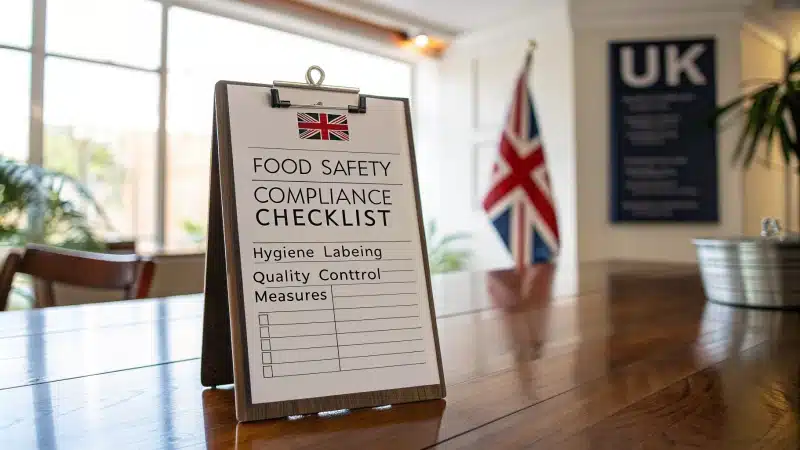
Understanding UK Food Safety Standards
To ensure compliance with UK food safety standards, it's crucial to understand the regulations set forth by the Food Standards Agency (FSA). Compliance begins with registration and adherence to guidelines that govern food production, hygiene, and labeling.
- Registration with Authorities: Your factory must be registered with the FSA at least 28 days before commencing operations. This registration confirms that your facility meets health and safety standards.
- Health Claims Compliance: If your gummies make health claims, these must align with UK regulations. For instance, new ingredients like CBD may require novel foods approval. You can learn more about health claim regulations4 for a clearer understanding.
- Good Manufacturing Practices (GMP): Adopting GMP is essential for maintaining quality and safety in production. Obtaining ISO 9001 certification can further enhance your credibility in the market.
Key Areas of Focus for Compliance
Several aspects are critical in maintaining compliance within your operations:
| Area | Description | Importance |
|---|---|---|
| Labeling Compliance | Ensure labels include allergen information and accurate health claims. | Prevents legal issues and consumer deception. |
| Packaging Standards | Child-resistant and tamper-evident packaging is a must for OTC products. | Ensures product safety for consumers. |
| Quality Control | Implement regular quality checks throughout the production process. | Maintains product consistency and safety. |
Training Staff on Compliance
Training staff is another crucial component of compliance:
- Conduct regular training sessions on food safety protocols.
- Ensure staff understands proper hygiene practices and equipment usage.
- Familiarize team members with the legal requirements relevant to their roles.
Consider providing resources or links to training programs available online, such as food safety training5.
Ongoing Compliance Measures
Maintaining compliance is an ongoing effort:
- Regular Audits: Schedule internal audits to verify adherence to food safety standards and GMP.
- Stay Informed: Keep abreast of any changes in legislation that may affect your operations.
- Documentation: Maintain thorough records of production processes, quality checks, and staff training for reference during inspections.
By focusing on these areas, you can create a comprehensive strategy to ensure compliance with UK food safety standards.
Registration with FSA is required before food production starts.True
Food businesses must register with the Food Standards Agency 28 days prior to commencing operations to comply with UK food safety standards.
GMP certification guarantees compliance with food safety laws.False
While GMP certification enhances credibility, it does not alone guarantee full compliance with all food safety regulations in the UK.
How do I choose the right equipment for my gummies factory?
Choosing the right equipment for your gummies factory is crucial for quality production. This guide breaks down essential equipment and considerations to help you make informed decisions.
To choose the right equipment for your gummies factory, assess your production scale, required machinery types (cooking, depositing, cooling), automation level, regulatory compliance, and budget. These factors ensure effective operations and product quality.
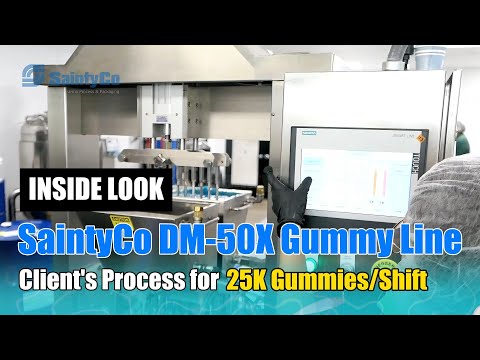
Watch this client video showcasing gummy production with SaintyCo's DM-50X Gummy Depositor and add-on equipment in action!
Essential Equipment for Gummy Manufacturing
Choosing the right equipment is critical for your gummy manufacturing success. Here’s a breakdown of key machines:
| Equipment Type | Description | Key Considerations |
|---|---|---|
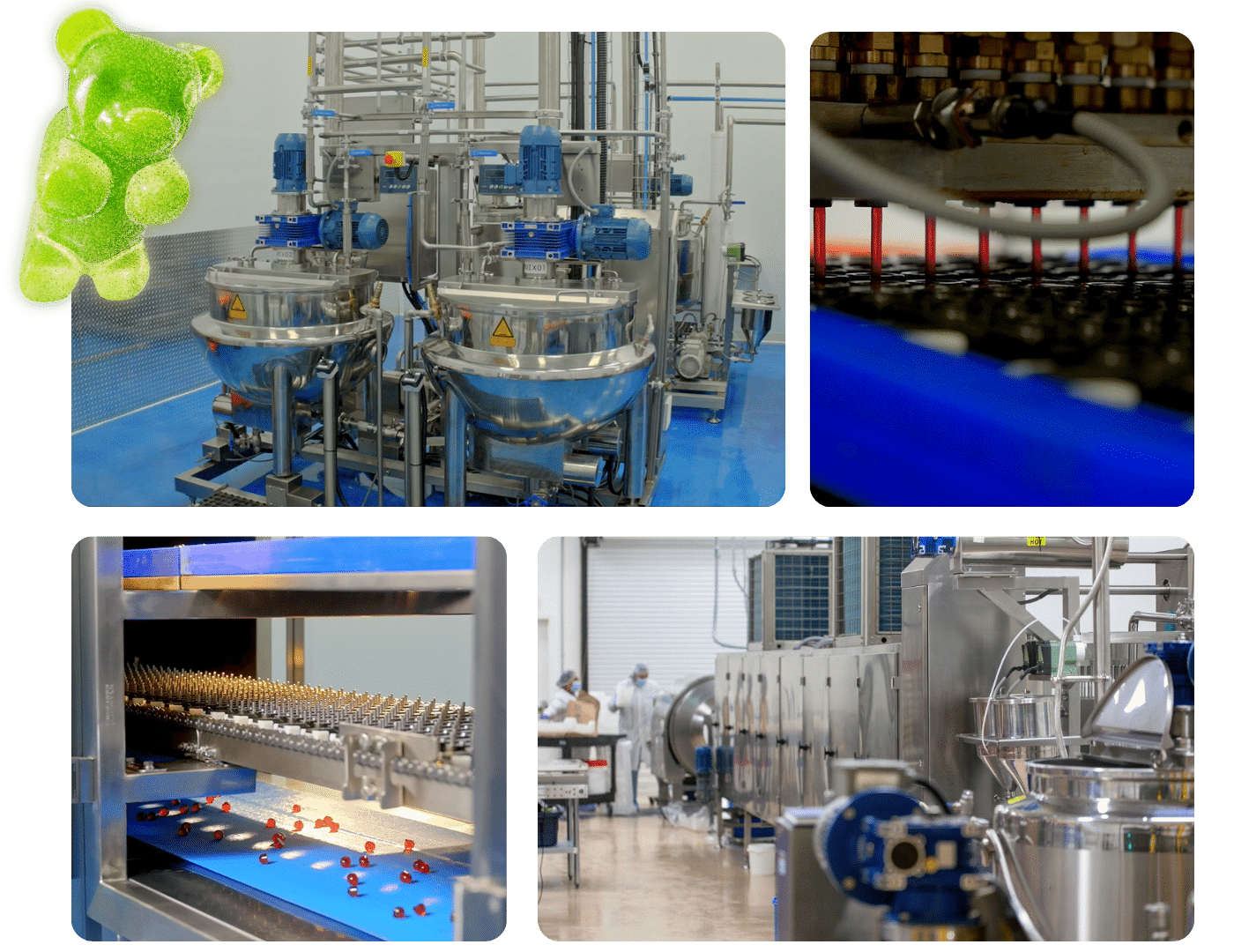
| Gummy Cooking Systems | Equipment like the 100L Dissolving Tank mixes ingredients. Precise temperature control is vital for the right texture. | Invest in high-quality models for consistency. Explore options6. |
| Depositing Machines | Essential for molding gummies, ranging from small-batch to large-scale production. | Match the machine to your production volume. Learn more here7. |
| Cooling Systems | Ensure gummies set properly with systems like Drying Trays. Consistent cooling leads to uniform quality. | Select efficient cooling solutions. See best practices8. |
| Coating Equipment | For coated gummies, choose a Sugar Polishing Pan or Oil Coating Drum. | Decide on your coating needs early. Find out how9. |
| Packaging Lines | Opt for automatic machines that can handle various formats, ensuring hygiene and efficiency. | Consider flexibility in design. Discover packaging solutions10. |
Automation Considerations
When selecting equipment, consider the level of automation that best suits your business model:
-
Semi-Automatic vs. Fully Automatic Gummy Machines:
- Semi-Automatic: Ideal for smaller volumes, offering flexibility.
- Fully Automatic: Best for larger operations, reducing labor costs and increasing efficiency.
- All-in-One Systems:
Factors to Consider Before Purchase
- Production Scale: Determine whether you need small-scale or large-scale gummy machinery based on your target output.
- Regulatory Compliance: Ensure all gummy manufacturing equipment meets local health and safety regulations to avoid operational issues.
- Quality and Certification: Look for gummy machinery certified by relevant authorities (ISO 9001, FDA) to ensure quality and reliability.
- Support and Maintenance: Choose machinery suppliers that offer ongoing support and service agreements to keep your gummy production running smoothly.
- Budget: Factor in not just the purchase price but also installation, training, and long-term maintenance costs.
These considerations will help you select gummy manufacturing equipment that aligns with your operational goals and ensures a successful gummy manufacturing process.
High-quality gummy cooking systems ensure consistent texture.True
Investing in premium cooking systems is vital for achieving the right texture in gummies, impacting overall product quality.
Fully automatic equipment reduces labor costs significantly.True
Switching to fully automatic machinery can greatly lower labor expenses, especially in large-scale gummy production.
What are the best practices for sourcing high-quality ingredients?
Sourcing high-quality ingredients is essential for any successful food production operation. Discover the best practices that can elevate your sourcing strategy.
To source high-quality ingredients, prioritize regulatory compliance, build strong supplier relationships, focus on sustainability, balance local and global sourcing, and implement thorough quality control measures.
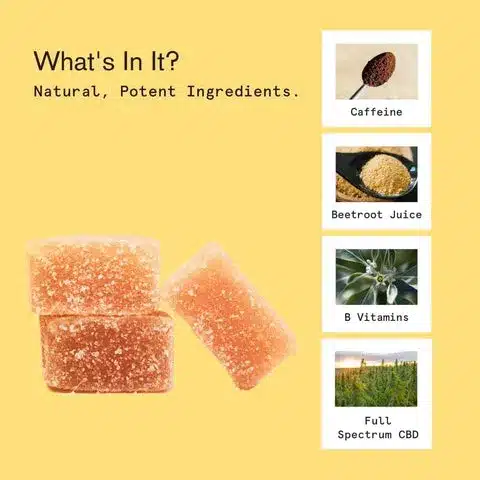
Understanding Ingredient Quality Standards
Sourcing high-quality ingredients begins with understanding the standards that define quality. Ingredients should meet relevant food safety regulations and certifications. For instance, raw materials like gelatin or pectin must adhere to UK food safety standards.
Choosing suppliers with certifications, such as ISO 900112, can provide assurance about their quality management practices. Consider creating a checklist of essential certifications that suppliers should possess to streamline your sourcing process.
Supplier Relationships
Building strong relationships with suppliers is vital for consistent quality. Engaging in long-term partnerships can lead to better pricing, priority during shortages, and access to premium ingredients. Regular communication helps ensure that suppliers understand your quality expectations.
| Supplier Criteria | Importance | Notes |
|---|---|---|
| Certifications | High | Verify food safety and quality standards |
| Communication | Medium | Maintain open channels for feedback |
| Reliability | High | Consistency in supply and quality |
Sustainable Sourcing Practices
As sustainability becomes a priority, consider sourcing ingredients from suppliers that prioritize eco-friendly practices. This not only enhances your brand’s image but may also improve ingredient quality. Look for suppliers that demonstrate responsible sourcing, such as those who use sustainable farming13 methods.
Local vs. Global Sourcing
Deciding between local and global suppliers can impact ingredient quality. Local sourcing often ensures fresher products and supports community businesses. On the other hand, global suppliers might offer unique ingredients that enhance your product offerings. Weigh the pros and cons based on your specific needs:
| Sourcing Option | Pros | Cons |
|---|---|---|
| Local | Fresher products, lower transport costs | Limited ingredient variety |
| Global | Wider variety, competitive pricing | Potential shipping delays and costs |
Quality Control Measures
Implement robust quality control measures to verify ingredient quality upon delivery. This includes visual inspections, lab testing for contaminants, and regular audits of suppliers. Establishing standard operating procedures (SOPs) for receiving and inspecting ingredients can minimize risks associated with poor-quality inputs.
Consider creating a template for supplier audits to ensure consistency in evaluation:
Supplier Audit Template
- Supplier Name:
- Date of Audit:
- Quality Standards Met: Yes/No
- Inspection Results:
- Visual Check:
- Lab Tests:
- Documentation Verification:
- Notes: