
What’s the Difference Between Gummy Bears and Jelly Babies?

Jelly Babies and gummy bears are popular candies with distinct textures influenced by their ingredients. Jelly Babies use pectin or starch for a soft feel, while gummy bears rely on gelatin for chewiness. Their production processes also vary, with Jelly Babies requiring aeration and rounded molds, whereas gummy bears need precise temperature control and intricate molds. Understanding these differences helps manufacturers choose suitable equipment for optimal results. As consumer preferences shift towards healthier options, innovations in candy production allow for the creation of vegan and sugar-free varieties. This article explores the unique characteristics of both candies, providing insights into their production techniques and market trends.
Top 6 Gummy Trends for 2025: What Manufacturers Must Know?

The gummy candy market is experiencing significant growth driven by key trends such as the rise of vegan gummies, social media-driven designs, and health-conscious formulations. Consumers are increasingly seeking plant-based options that align with ethical values and dietary preferences. Social media platforms like TikTok and Instagram are influencing gummy designs, pushing manufacturers to create visually appealing products that engage younger audiences. Additionally, the demand for sugar-free and functional gummies is on the rise as health-conscious consumers look for tasty alternatives that offer nutritional benefits. To seize these opportunities, manufacturers should invest in advanced production technologies tailored for pectin-based gummies and explore innovative designs that cater to evolving consumer preferences.
Jelly vs Gummy: Which Candy Best Captures Your Market?
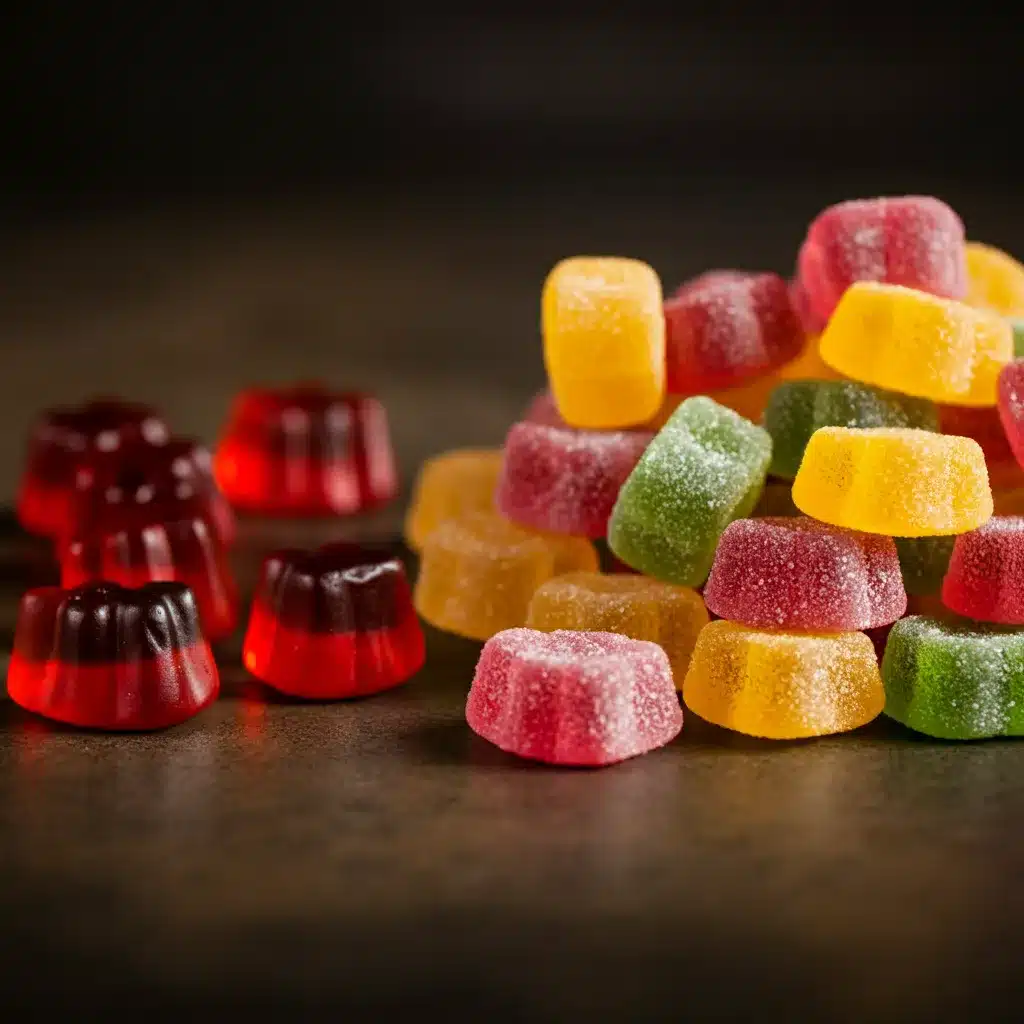
Choosing between jelly and gummy candies can significantly influence your confectionery business’s success. Jelly candies are soft and often favored by health-conscious consumers due to vegan options, while gummy candies offer a chewier texture that appeals to a wider audience with fun shapes. Understanding the differences in texture, ingredients, and production methods is crucial for making an informed decision. This article explores these aspects in detail, helping businesses determine which candy type aligns best with their market goals. Additionally, it discusses how advanced machinery can efficiently produce both types of candies while meeting diverse consumer preferences.
Why Are Gummies Dominating the Nutrition Market?

Gummies have evolved from candy to a dominant force in the sports nutrition market. Their convenience, enjoyable taste, and versatility appeal to a wide range of consumers—from busy professionals to health-conscious individuals. Unlike traditional supplements that often require mixing or come with unpleasant flavors, gummies offer an easy-to-consume option that fits seamlessly into modern lifestyles. They cater to various demographics including millennials seeking quick solutions, parents looking for child-friendly nutrition, and seniors needing tailored formulations. Additionally, gummies align with current health trends by emphasizing clean labels and natural ingredients. Innovative marketing strategies leveraging social media and e-commerce further enhance their visibility and popularity among younger audiences. As they continue to gain traction in the wellness sector, gummies represent a significant shift in how consumers approach supplementation.
Fortified Gummies: Why They Outperform Traditional Vitamins & How Are They Made?

Fortified gummies are increasingly popular due to their taste, convenience, and nutritional benefits. They are easier to consume than traditional pills, making them ideal for children and seniors alike. With flavors that appeal across age groups, these chewable vitamins often contain essential nutrients but may have added sugars. Their manufacturing process ensures quality and efficacy, with advanced techniques for ingredient mixing and hygiene standards. While they offer comparable absorption rates to pills, consumers should be mindful of sugar content and nutrient levels when selecting gummies. Overall, fortified gummies combine practicality with pleasure for a delightful health supplement experience.